01
Define the states
Make loading, empty, error and success behavior part of the interface from the start.

Design engineering
We connect product design and frontend engineering to build interfaces that look, feel, and work as intended. From functional prototypes to production web and mobile experiences, we carry design decisions through to code.
You need to test an idea beyond a clickable mockup. Your designs are ready, but implementation needs closer attention. Your component library no longer matches the product. Or your team needs design and engineering to move forward together.
Functional prototypes
Explore product behavior through working code. We build interactive prototypes to test complex flows, evaluate technical choices, and make ideas tangible before committing to a full build.
Production interfaces
Responsive web interfaces built with React, Next.js, and TypeScript. We implement layouts, interactions, forms, validation, and the loading, empty, and error states that make a product usable in practice.
Design systems in code
Translate design foundations into reusable UI components. We connect visual rules, component behavior, and implementation patterns so teams can extend the product consistently.
Mobile experiences
Build iOS and Android interfaces with React Native and Expo. Our experience covers onboarding, profiles, matching, messaging, notifications, and native integrations.
Connected product flows
Connect interfaces to APIs and real product data. We implement search, dashboards, payments, and multi-step workflows with clear feedback throughout the experience.
Interface refinement
Improve existing interfaces through focused work on responsiveness, rendering, loading performance, and cross-browser consistency. We review the built experience alongside the design and resolve gaps.

Review the designs, existing code, APIs, and product requirements. Agree on scope, technical risks, and what the first working version needs to prove.

Start with a complete user journey. Bring the interface, behavior, and data together early enough to identify missing states and adjust decisions.

Extract shared components and patterns as the experience takes shape, keeping the implementation aligned with the product’s design system.

Review the result with design and engineering, test critical interactions, and prepare the code and implementation notes for continued development.
Depending on the scope: a functional prototype or production interface, reusable UI components, API-connected flows, tests for critical behavior, and implementation documentation.
Production interfaces need the behavior around the screen: states, data, responsiveness and patterns that the team can maintain.

01
Make loading, empty, error and success behavior part of the interface from the start.
02
Work with existing components, APIs and product rules so the prototype reflects the system it will join.
03
Review layouts, controls and content across the screen sizes the product needs to support.
04
Resolve implementation differences and document decisions that the team will carry forward.
The case describes reusable components from buttons and inputs to feedback and layout primitives.
The published interface uses a photo-led listing grid and compact mobile navigation. Horse imagery gives people a direct starting point for browsing, while the product context keeps the relationship between a listing and its owner central to the experience.
See case studyThe published interface places the card and account information above a dated transaction list. This gives the spending experience a clear hierarchy: current funds first, followed by recent purchases and the amounts associated with them.
See case studyThe interface presents separate entry points for professionals and companies, then explains how the two journeys meet. The project’s documented stack includes React, Next.js, TypeScript, Tailwind CSS, shadcn, Node.js and GraphQL. The product overview complements the separate Benchler brand identity case study.
See case study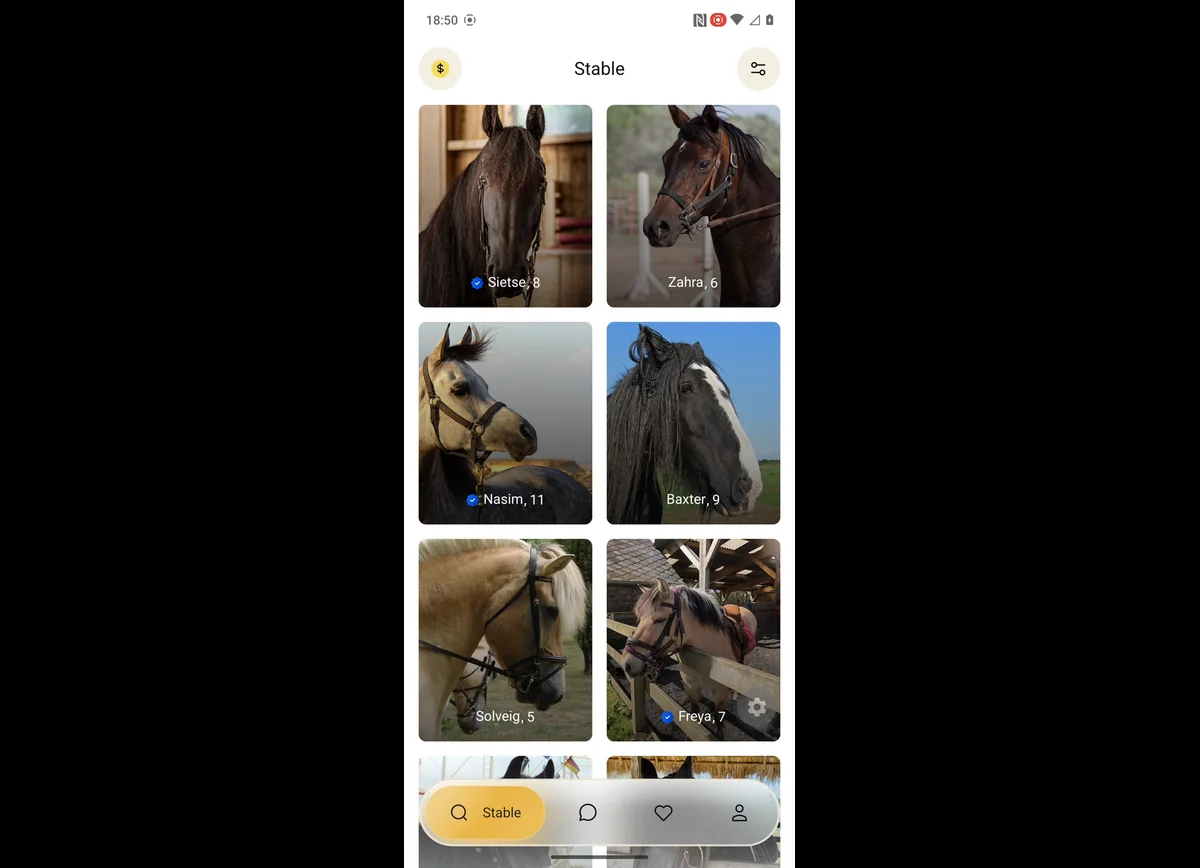
A React Native and Expo app for discovering horses for sale, connecting with owners, and bringing the horse community together.
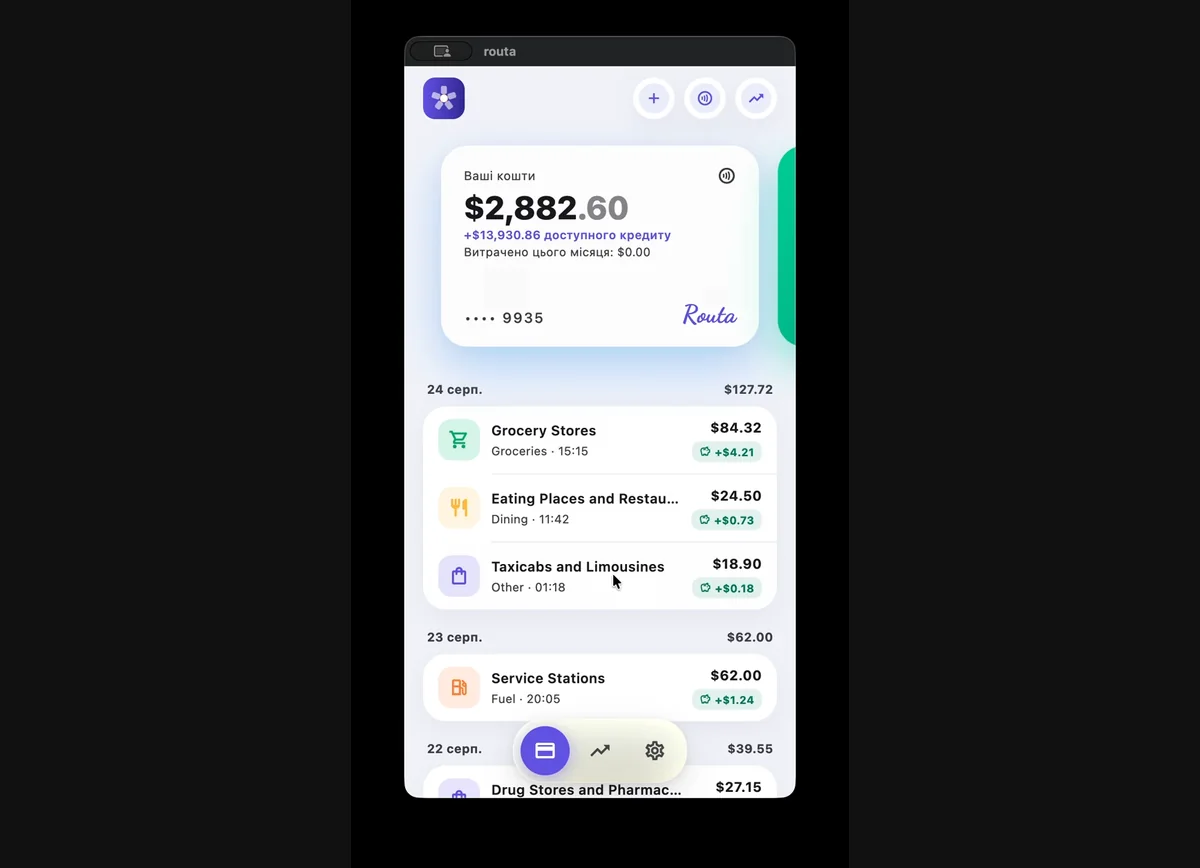
A Flutter fintech app centered on one proxy card that routes purchases toward better cashback and helps users make a plan for their available funds.
Fintech product design for understandable money flows, payment states and financial decisions. Explore Routa and Clearl’s approach to trust in financial UX.
Explore industryMarketplace product design connecting discovery, listings, trust and communication. Explore Clearl’s horse and talent marketplace work and UX approach.
Explore industryProduct design for wellbeing assessments and fitness experiences. Explore Clearl’s work with student wellbeing dashboards and the Fitpool mobile platform.
Explore industryLet’s define the first flow, feature, or component system to build.
Book a design engineering call